資料記者 · 視覺說書人 · 台北
Maps & Data
Stories about
Taiwan
I work at the intersection of investigative journalism, geospatial analysis, and interactive design — building data stories about elections, and environmental politics across Taiwan and Asia.
我是鍾依靜,駐台北的資料記者。
擅長用數據說故事,說關於亞洲政治、科技與環境、性別的那些故事。
This is a garden drawn with p5js
feel free to touch it!
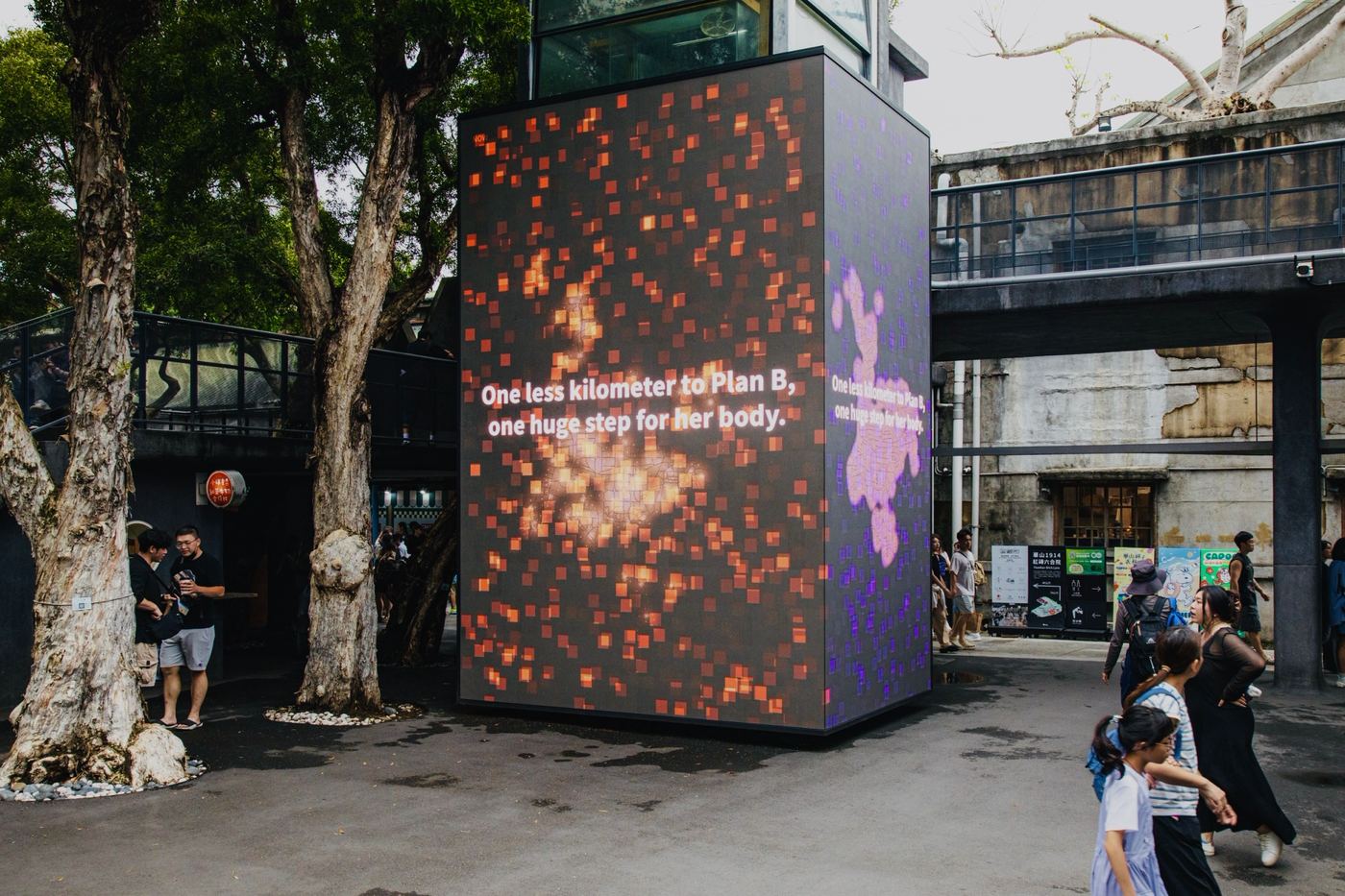
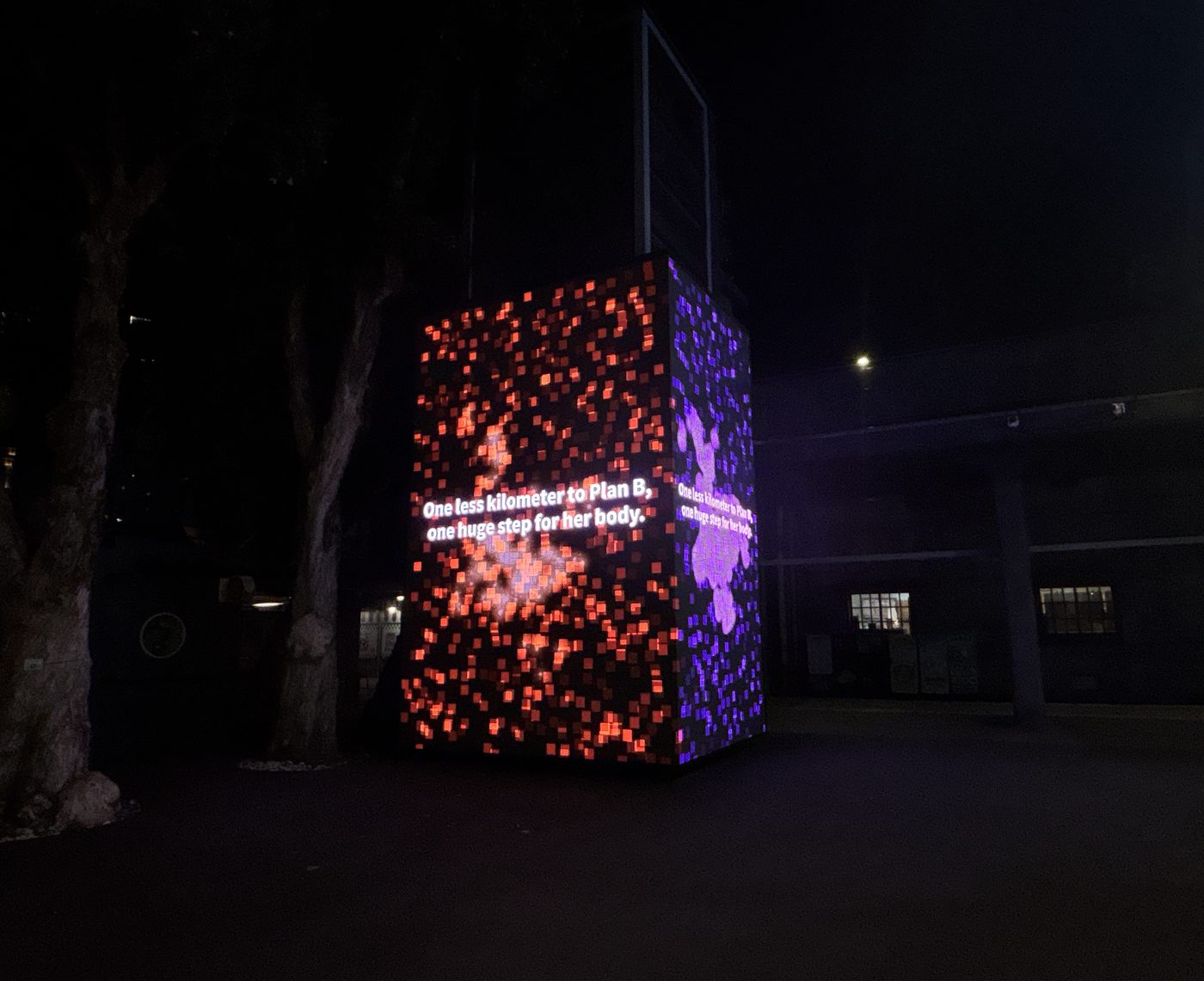
In July, Taiwan's Food and Drug Administration moved to tighten controls on three emergency contraceptive pills, and the backlash was immediate. Emergency contraception is still a prescription drug here, which means getting it starts with seeing a doctor — so the real question is not whether the pill exists, but how far you have to travel to reach someone who can prescribe it.
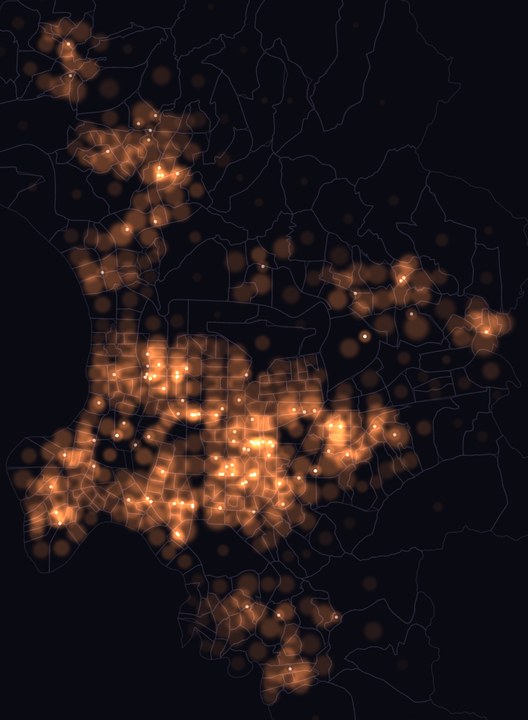
I mapped that distance across all 456 villages in Taipei. Today the nearest access point is one of 111 obstetric clinics and hospitals, a median of 532 metres away. But nearly 250,000 women — about a fifth of the women in this city — have to travel more than a kilometre to reach one, and they live in 94 of those villages.
Reclassify the drug so pharmacies can sell it and the access points go from 111 to 858, with the median falling to 204 metres. Reclassification does not solve everything, though: in 33 villages women would still be more than a kilometre from the counter, because the remote hill districts are large, thinly populated and short of medical resources to begin with. That is a different problem.
Facility data comes from Twinkle Hub, village boundaries from the National Land Surveying and Mapping Center's 2026 edition; distances are straight-line, from each village's area-weighted centroid to the nearest access point. Policy is a stone dropped into water: one line of regulation changes the radius a whole city's women move within, and their heartbeat. That heartbeat is in the page's sound design too.
七月,衛福部食藥署欲嚴加控管三款事後避孕藥,引發軒然大波。在台灣,事後避孕藥仍是處方藥。意味取藥得先看醫生,因此真正的問題並非這顆藥存在與否,而是得走多遠,才能遇到開出處方的醫師。
我把這段距離畫成台北 456 個里的地圖,現在最近的取得點是 111 家婦產科診所與大醫院,距離中位數 532 公尺,但有近 25 萬名女性,約等於北市女性的五分之一,必須走超過一公里才能取得事後避孕藥,她們就在這其中的 94 個里生活。
若未來將事後避孕藥改成指示藥、讓藥局能賣,取得點就變成 858 個,中位數降到 204 公尺,但轉類不能解決所有事,仍有 33 個里的女性需走超過一公里,因偏遠山區地廣人稀、醫療資源本來就不足,那又是另一個問題。
資料取自 Twinkle Hub 與內政部國土測繪中心 2026 年版里界,距離為各里面積加權質心到最近取得點的直線距離。制度猶如投石入水,一紙法規改變的,卻是整座城市女性的行動半徑和心跳。而心跳聲,也做進了頁面的音效裡。
On 23 August 2025, Taiwan held its third nuclear referendum — asking whether the Maanshan plant, which formally shut down in May, should be allowed to restart once safety regulators give the green light.
Two interactive maps. The first animates yes-vote share across all 22 counties, tracing the geography of public opinion. The second is a risk map: the hidden cost most voters never factored in — how many villages and residents fall inside the 8km emergency evacuation zone if something goes wrong at Maanshan?
2025年8月23日,台灣舉行第三次核能公投,主題是已在5月停機的核三廠——該不該在主管機關確認沒有安全疑慮後,重新運轉。
我做了兩張互動地圖。一張用動畫帶出22縣市的同意票比例,看見民意的地理樣貌;另一張風險地圖,畫出多數人投票時沒算進去的隱形成本——萬一核三廠出事,8公里疏散範圍內有多少村落、約幾萬人會受影響?
The Big [Censored] Theory is a data journalism piece by The Pudding. Its author, Mandy, first watched The Big Bang Theory in 2011 — and when she returned to it eleven years later on Chinese streaming platform Youku, she kept noticing strange, jarring pauses.
She compared all 100 episodes of the original against the Youku cuts, using charts to quantify exactly what Chinese regulators had excised.
《The Big [Censored] Theory》是 The Pudding 推出的資料專題。作者 Mandy 在2011年第一次看美劇《生活大爆炸》,11年後重看,卻發現中國串流平台優酷上的版本常出現不連貫的停頓。
她把100集原版和優酷剪輯版逐集比對,分析原始影音資料庫(集數、秒數、審查理由),同時利用互動式幻燈片和顏色編碼分類,讓讀者理解中國如何監管文化影視作品。
This investigative report analyzes the evolving landscape of women’s political participation in Taiwan. Since 2022, a record-breaking 24 female candidates ran for local government heads across 22 counties and cities—a 30-year high that marked a new chapter in Taiwan’s "Women Power."
A key data chart from the "Ten Keywords for Taiwan's 2024 Election" series, focusing on the rise of women's political representation.
從2022年開始,全台灣22個縣市長選舉中,共有24位女性候選人,創下女性參政人數30年來的新高,開啟台灣「女力」的政治新篇章。
台灣2024大選「十個關鍵字」系列中,聚焦女力崛起的一張關鍵數據圖表。
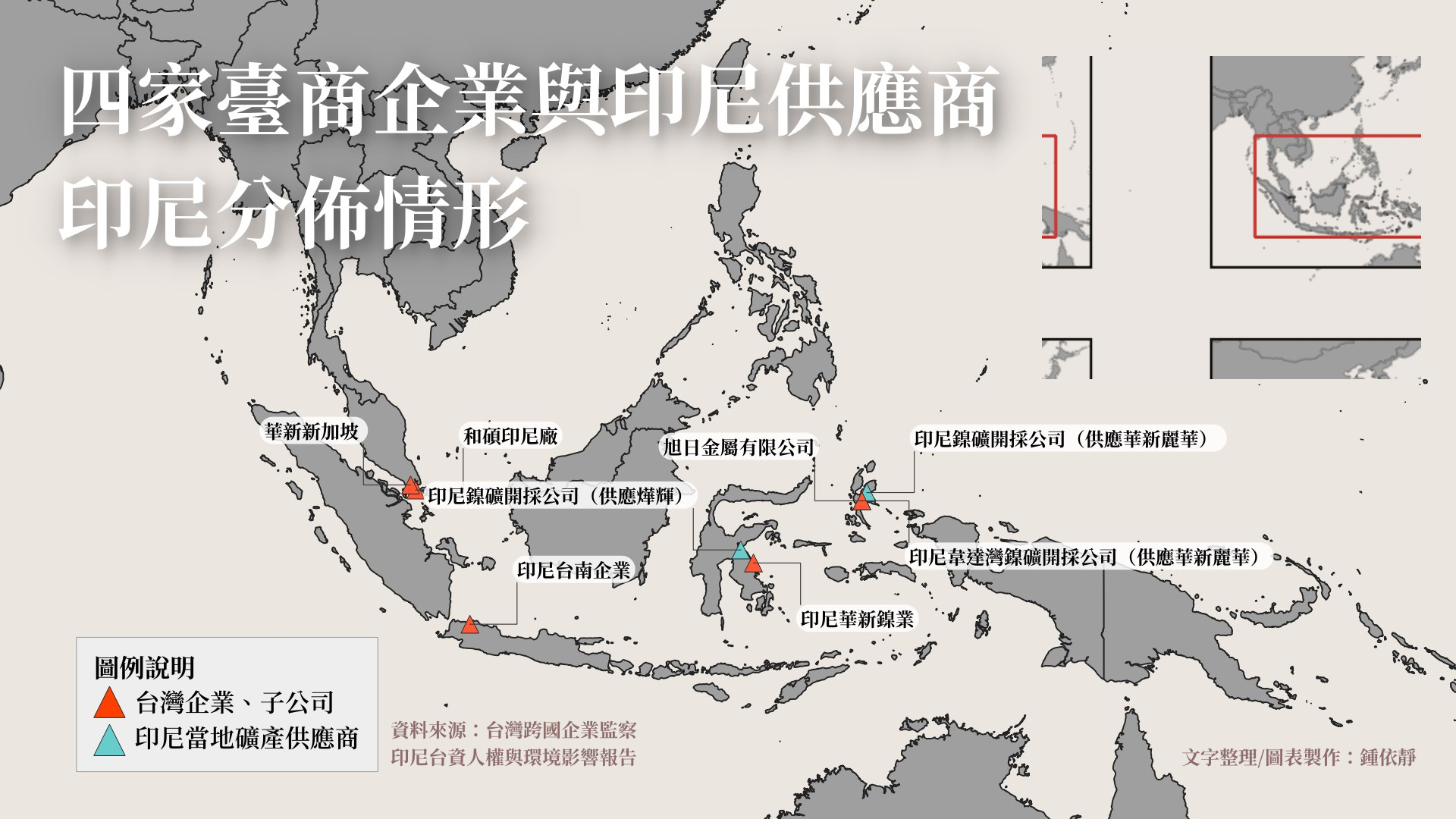
Investigative reporting on the human rights and environmental impact of Taiwanese companies operating in Indonesia.
I used Google My Maps and QGIS to build a supply chain map — plotting the locations of affected communities across garment manufacturing, circuit board assembly, and nickel mining sites, and turning abstract cross-border harm into coordinates you can see.
一篇關於台灣企業在印尼造成人權與環境衝擊的調查報導。我利用 Google My Maps 和 QGIS 建了一張供應鏈地圖,把成衣製造、電路板組裝、鎳礦開採的受害地點一一標出來,讓抽象的跨國侵害成為看得見的座標。
Fluent in Chinese, English, and French, with years covering Taiwan's elections and environmental politics — previously at The Initium (端傳媒) and the Environmental Information Center (環境資訊中心).
Currently deepening creative coding and scrollytelling, and drawn to roles that pair rigorous data work with human-centred narrative — especially where climate, governance, and social justice intersect across Asia.
中英法文流利,曾任職於《端傳媒》與《環境資訊中心》,長期跑選舉與環境線。目前持續深化Creative Coding,熱衷於地圖製作🗺️